



capitonym /KAP-i-toh-NIM/. noun. A word that changes meaning (and sometimes pronunciation) when capitalized, such as August and august, Earth and earth, Polish and polish. A portmanteau of capital + -onym (word or name).
[Read more…]capitonym /KAP-i-toh-NIM/. noun. A word that changes meaning (and sometimes pronunciation) when capitalized, such as August and august, Earth and earth, Polish and polish. A portmanteau of capital + -onym (word or name).
[Read more…]
canorous /cə-NOR-us/. adjective. Musical, melodious, richly resonant, tuneful. From canor (melody), from canere (to sing). From PIE root kan– (to sing) from which are derived accent, canto, chant and incentive. See also: euphonious, harmonious.
[Read more…]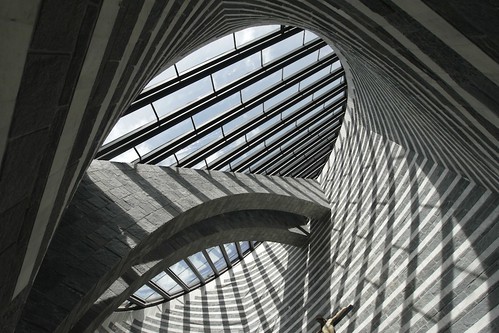
chiaroscuro /kee-ar-uh-SKYER-oh/. noun. Literally, the composition of light and shade or black and white in a painting or picture; figuratively to describe deep contrast.


corybantic /KOR-ə-BAN-tik/. adjective. Wildly excited; frenzied. Derived from Corybant, a priest of Cybele, Greek (and Phrygia’s only known) Goddess of fertility and nature, whose worship included loud music and riotous dancing. Celebrants, then and now, literally and figuratively, are sometimes called corybants or corybantes.
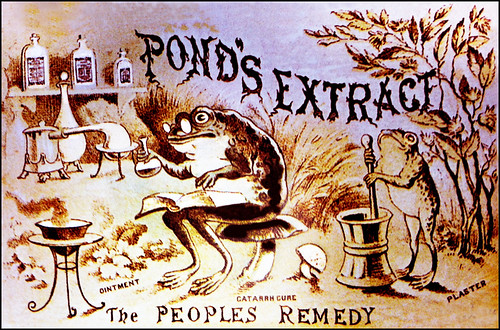
catarrh /kə-TAR/. noun. An inflammation of the nose or throat; the mucus formed from such an inflammation. From Greek katarrhein (to flow down), from kata- (down) + rhein (to flow). See also catarrhal, catarrhous, and the partially derived catarrhine, used to describe the narrow space between the nostrils of some primates, from kata- + rhinos (nose).
[Read more…]

cantillate /KAN-tə-layt/. verb. To recite or chant musically, usually a religious text. From Latin antillāre (to sing softly), from cantāre (to sing). See also: cantor and cantata.
[Read more…]