


/en-THOO-zee-azzm/ /ɪnˈθju:zɪˌæzəm/ noun. Eager interest, passion, fervor, zeal.
Persons, places, things...you know the drill.

calque /KOWLK/ /kælk/. noun. A loan word. A word borrowed from one language into another, often with some modification. From French calque (a copy), from calquer (to trace by rubbing); from Latin calcare (to press down, to stamp, to tread).
[Read more…]
amanuensis /ə-MAN-yoo-EN-sis/ /əˌmænjʊˈɛnsɪs/. noun. A literary assistant or factotum. A typist or stenographer. From Latin āmanuensis; from the phrase servus ā manū (slave at hand, aka handwriting); from ā (from) + manū (hand).
[Read more…]
kipple /KIP-əl/. noun. Useless, multiplying junk, dross, rubbish. A word that seems particularly useful in our age of endless digital detritus and debris. Commonly attributed to speculative fiction author Philip K. Dick as a coinage in his 1968 novel Do Androids Dream of Electric Sheep?, this is probably incorrect. It is likely Dick took it from the title of 60s sci-fi fanzine Kipple, a title one less charitable reader had mockingly re-defined as “useless junk.” And that magazine’s editor had himself appropriated the word from an old joke: “Do you like Kipling? I don’t know, I’ve never kippled.” A joke Dick would re-tell in a later novel (Galactic Pot-Healer).
[Read more…]
bampot /BAM-pot/. noun. An idiot; a fool; an obnoxious person. Scottish slang of unknown origin, probably related to Northern English barmpot (a container for storing yeast) and barm (the froth on fermenting malt liquor; the head of a beer) both also used as slang with the same meaning and from which we also get barmy, slang for being mentally unsound.
[Read more…]
palaver /puh-LAV-ər/. noun and verb. A conference, dispute or contest (originally, primarily West African). Tedious, time consuming or idle talk or other activity. Loud or confused talk. Flattery. From Portuguese palavra (talk), from Latin parabola (a parable, words, speech). See also: bunk, bunkum, hokum, cajolery, wheedling, jabbering.
[Read more…]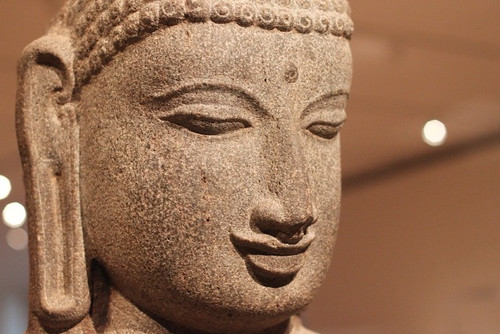
ataraxy /AT-ər-aks-ee/ – ataraxia /at-ər-AK-see-ə/. noun. Deep tranquility; calmness. Stoic indifference. From French ataraxie > from Greek ataraxia (impassiveness) > from a (not) + tarassein (disturb). See also: serenity, imperturbability, equanimity, composure.
[Read more…]