


/ˈɛksɪdʒ(ə)nsi/ /ˈɛgzɪ-; ɪgˈzɪdʒ(ə)nsi/. An instance of urgent, pressing demand or necessity. A desperate quality.
/ˈɛksɪdʒ(ə)nsi/ /ˈɛgzɪ-; ɪgˈzɪdʒ(ə)nsi/. An instance of urgent, pressing demand or necessity. A desperate quality.
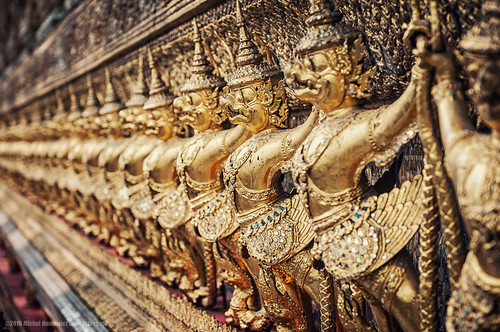
exonym /EK-soh-nim/. noun. A place name or name given to a group of people by someone outside that place or group and not used by them. For instance, Germany is an exonym for Deutschland. Often exonyms are pejorative, or come to be so—or are perceived so by the named group—such as the Romani preferring that name to (the originally Egyptian) exonym Gypsy. See also: xenonym and ethnonym.
Some commonly used exonyms (by English speakers): Moscow for Москва/Moskva, Turkey for Türkiye, India for Bharat, Prague for Praha, Lapp for Saami, and Mecca for Makkha.

etymythology /et-uh-mith-ALL-ə-gee/. noun. A false/folk etymology. “The lexical version of the urban legend…”
etiolated /EE-dee-ə-lay-təd/. adjective. Whitened due to lack of sunlight. Figuratively, weakened and/or stunted and/or having a pale, sickly appearance. From French étioler (to become pale, to grow into stubble). From éteule (stubble). From Latin stipula (a stalk or straw).
[Read more…]
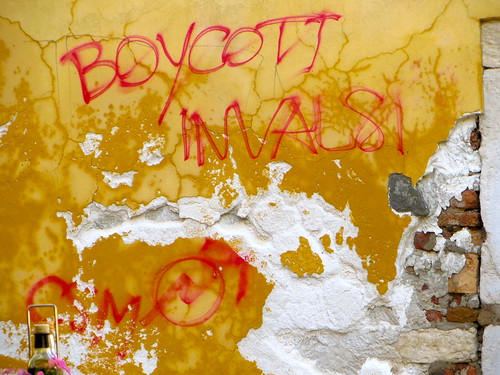
eponyms /EP-ə-nimz/. noun. Words derived from names. From Greek epi (to) and onyma (name).

eristic /ə-RIS-tik/. adjective or noun. Of, given, or relating to, argument, particularly argument for its own sake. A person who engages in such (usually tedious) debates. From Greek eristikos, from erizein (wrangle), from eris (strife). In Greek mythology, Eris was the goddess of discord and discontent.
[Read more…]
